Korean crops, from seed to table.
KVEGGY introduces the vegetables, greens and farming of Korea to readers around the world. Each crop comes with its Korean, romanized and English names, how Koreans eat it, how it is grown, and what it costs in Korean markets today.
The crop shelf
Browse all cropsLeaves & wraps
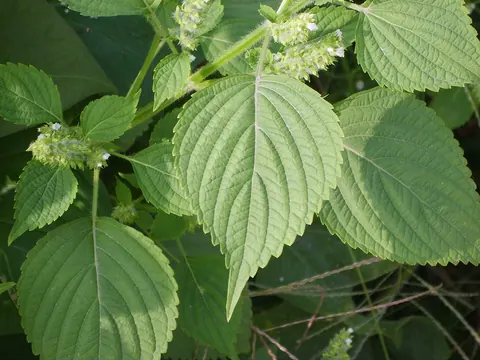 깻잎
Perilla leafkkaennipPerilla frutescens
깻잎쌈kkaennipssam
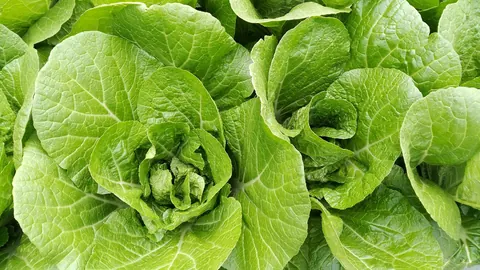 배추
Kimchi cabbagebaechuBrassica rapa subsp. pekinensis
배추김치baechu-kimchi
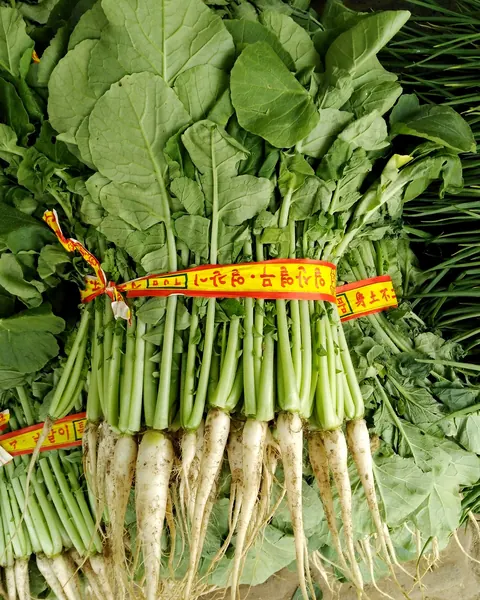 열무
Young summer radishyeolmuRaphanus sativus
열무김치yeolmu-kimchi
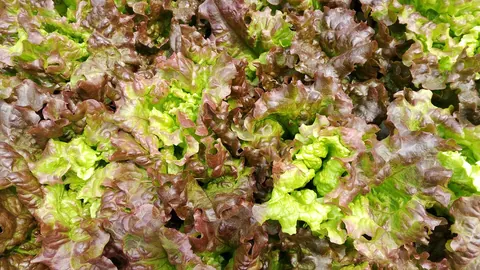 상추
Leaf lettucesangchuLactuca sativa
상추쌈sangchussam
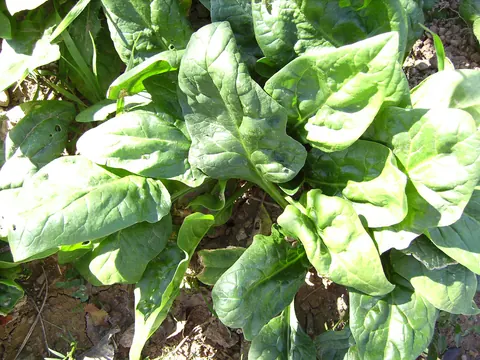 시금치
SpinachsigeumchiSpinacia oleracea
시금치나물sigeumchi-namul
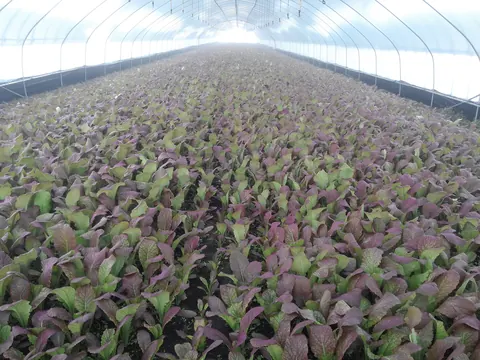 갓
Leaf mustardgatBrassica juncea
갓김치gatkimchi
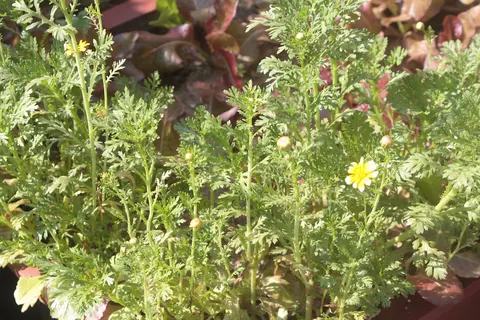 쑥갓
Crown daisyssukgatGlebionis coronaria
쑥갓나물ssukgat-namul
Namul & wild greens
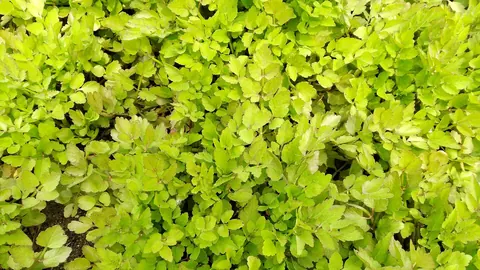 미나리
Water dropwortminariOenanthe javanica
미나리나물minari-namul
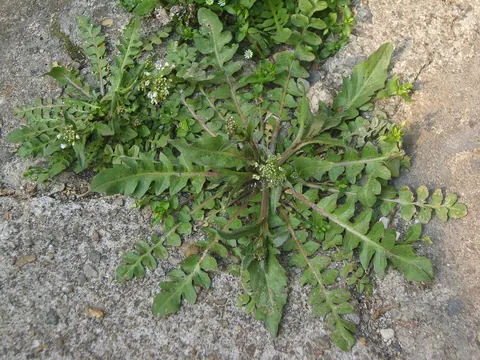 냉이
Shepherd's pursenaengiCapsella bursa-pastoris
냉잇국naengitguk
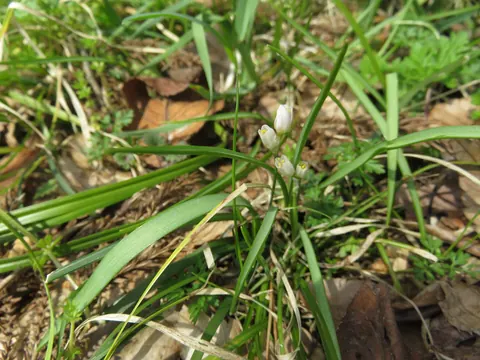 달래
Korean wild chivedallaeAllium monanthum
달래무침dallae-muchim
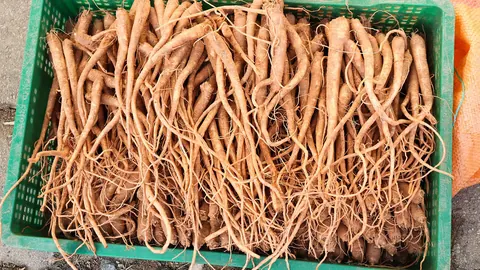 도라지
Bellflower rootdorajiPlatycodon grandiflorus
도라지나물doraji-namul
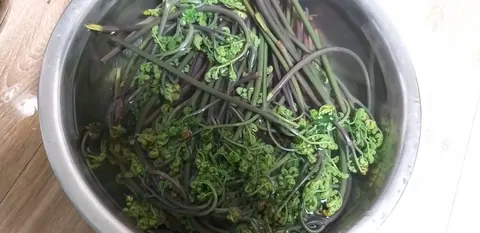 고사리
Bracken fern shootsgosariPteridium aquilinum var. latiusculum
고사리나물gosari-namul
Fruits & peppers
Roots & tubers
Garlic & onions
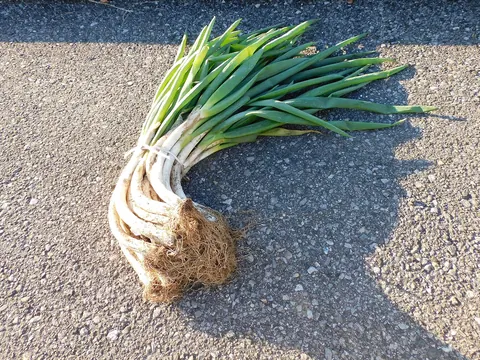
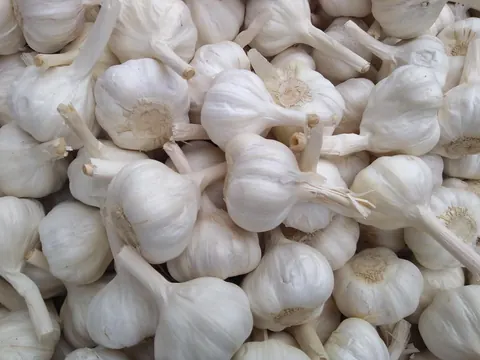
Sprouts
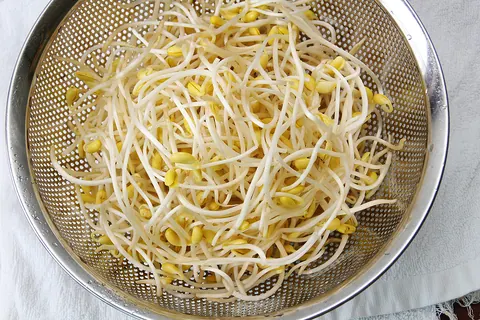
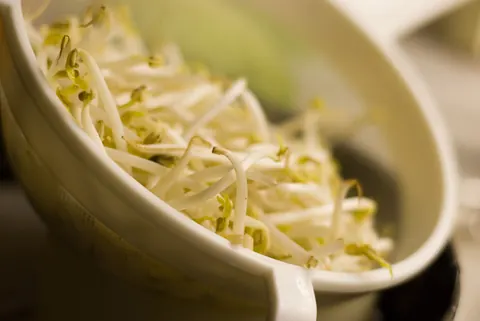
Questions readers ask
What Is Namul? A Beginner’s Guide to Korean Seasoned GreensLearn what namul means, how to blanch and season Korean greens, and how to store them safely with this practical beginner’s guide.10 Practical Substitutes for Korean VegetablesPractical substitutes for perilla, minari, Korean chives, zucchini, radish, Korean chiles and more—chosen by flavor, texture and function.Korean Perilla vs. Shiso: Are They the Same?A clear comparison of Korean perilla and Japanese shiso: taxonomy, leaf shape, aroma, culinary uses, substitutions and seed-buying tips.Why Do Peppers Turn Red, and Does It Make Them Hotter?Peppers turn red as chlorophyll declines and carotenoids such as capsanthin build up. Many cultivars also gain capsaicinoids as they ripen, but color is not a heat scale.Why Discard Spinach Blanching Water? Oxalate, Texture and TimingA research-grounded guide to blanching spinach for namul: oxalate reduction, cooking time, rinsing, squeezing and safe refrigeration.Pepper Seed Germination: Temperature, Light and Sowing DepthDiagnose slow pepper germination through medium temperature, moisture and oxygen, sowing depth, light and cultivar differences with this research-grounded guide.Why Pepper Flowers Drop: A Practical Diagnosis GuideDiagnose pepper blossom drop by temperature, root-zone water, humidity, pollination, nitrogen, light and fruit load—then follow a 48-hour action plan.How to Grow Korean Peppers Indoors: 9 Practical RulesA practical guide to light, containers, watering, fertilizer, pollination, pests and harvesting Korean chile peppers indoors.
Korea's farms, today
Figures from Korean public agencies, collected every day (prices on weekdays) and dated on every page.