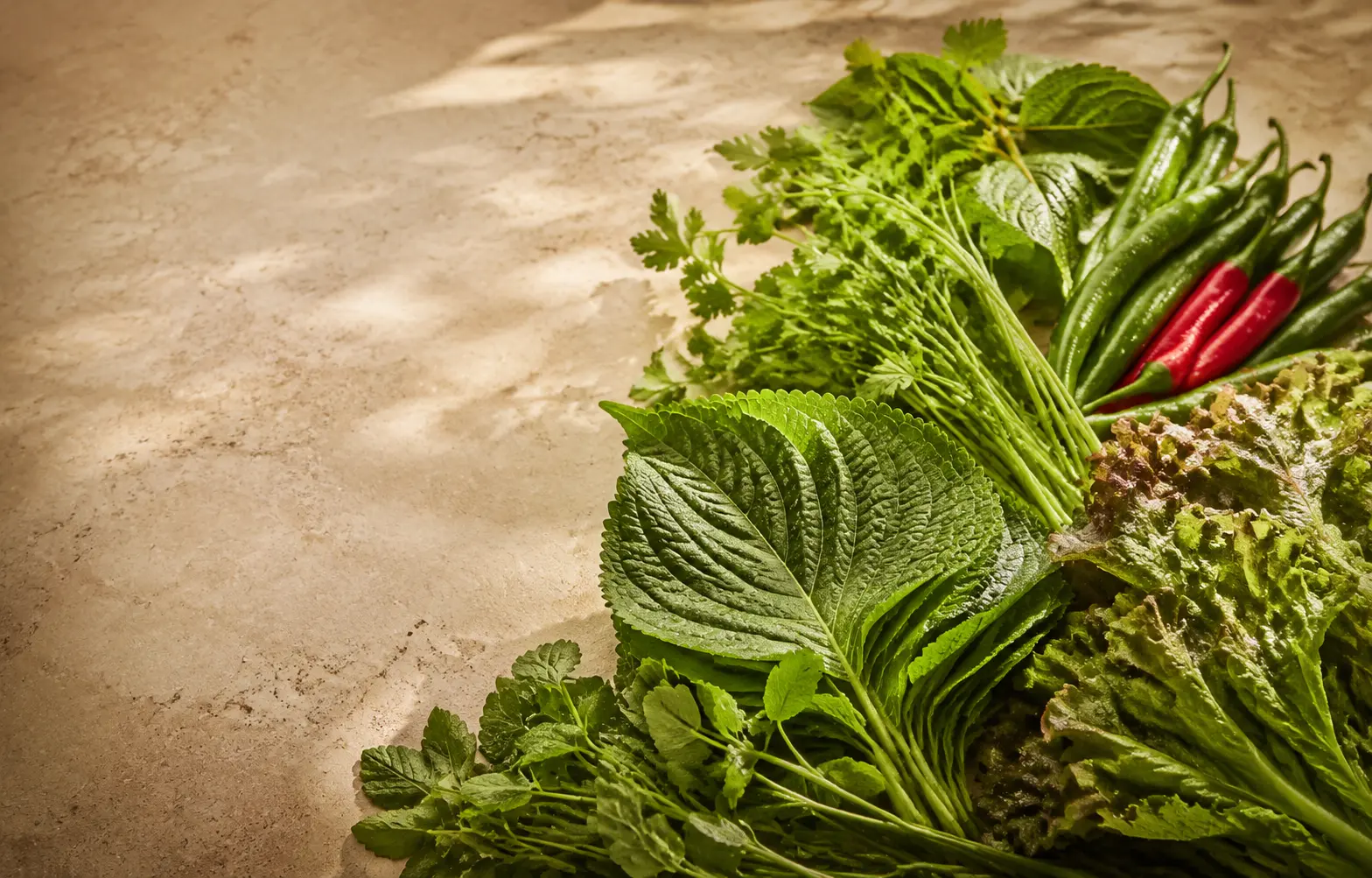
In Korean, namul carries two connected meanings. It can refer to edible leaves, stems and roots gathered or cultivated for food. It also names dishes made by blanching, sautéing or seasoning those ingredients. In other words, namul may be the plant in the field or the finished banchan at the table.
Four useful namul categories
| TYPE | EXAMPLES | COMMON METHOD | CHARACTER |
|---|---|---|---|
| Fresh greens |  Minarichamnamul | Wash and season raw | Bright and crisp |
| Cooked greens | Blanch or cook, then season | Tender; absorbs seasoning | |
| Dried namul |  Gosaridried chwinamul | Soak, simmer and sauté | Deep, earthy flavor |
| Roots and stems | Soak or blanch, then season | Distinctive chew |
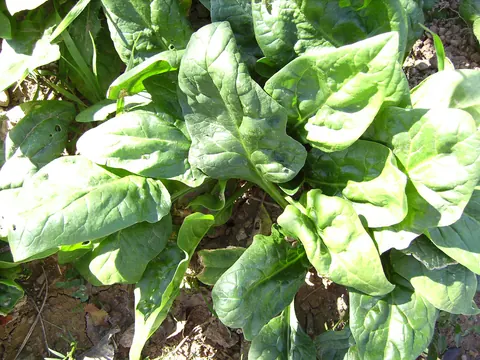 Spinach
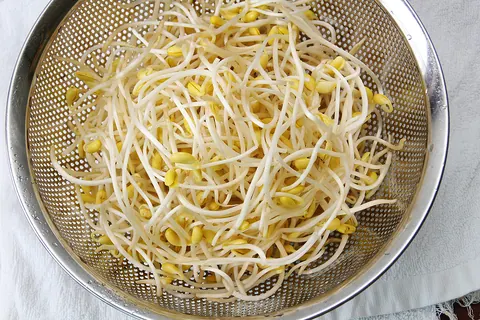 Soybean sprouts
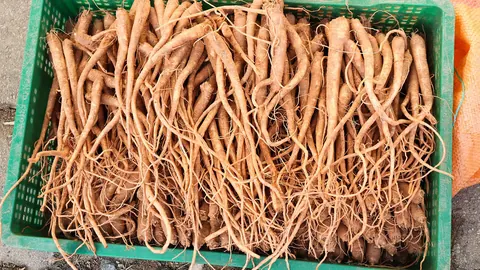 Doraji
 Sweet-potato stems
Using one blanching time for every green is the quickest route to disappointment. Tender leaves need seconds; sturdy stems and dried plants may need much longer. Look at the ingredient’s thickness and texture, not only its name.
A reliable basic method
- Trim. Remove yellowed leaves, tough ends and visible soil.
- Wash. Swish gently in a large bowl of water, lift the greens out, and repeat with fresh water when needed.
- Cook. Add the firm stems first to lightly salted boiling water. Tasting a piece is more useful than trusting a universal timer.
- Cool. For bright green, crisp vegetables, cool quickly in cold water. Do not soak longer than necessary.
- Control moisture. Press small handfuls gently. Too much water dilutes seasoning; excessive squeezing makes greens dry and dense.
- Season. Set the salt level first, then add aromatics and oil. Add sesame seeds last for fragrance.
Sesame oil or perilla oil?
Both are traditional, but their jobs are different. Toasted sesame oil brings a clear, roasty aroma. Perilla oil tastes deeper, nuttier and slightly green, making it especially good with earthy dried greens. For a strongly aromatic vegetable such as minari, use less oil and consider a sharper dressing with vinegar or chile flakes.
When salt works better than soy sauce
Salt preserves a bright color and lets delicate vegetable flavors remain clear. Korean soup soy sauce adds savory depth but can darken or dominate a mild green. Season lightly, wait two or three minutes, then taste again before adding more.
Choose and store namul safely
Prepared namul contains plenty of moisture and is not a shelf-stable food. Refrigerate it promptly in a clean container and eat it as soon as practical. If it has sat out for a long time or developed an unusual smell or texture, discard it rather than tasting it. Keep dried greens away from moisture; once rehydrated, treat them like fresh cooked food.
Start with spinach or soybean sprouts, where changes in texture are easy to feel. Making a small 200 g batch teaches you more quickly than committing a large bundle to an unfamiliar seasoning.
If Korean produce is hard to find where you live, continue with our guide to substitutes chosen by flavor and function.