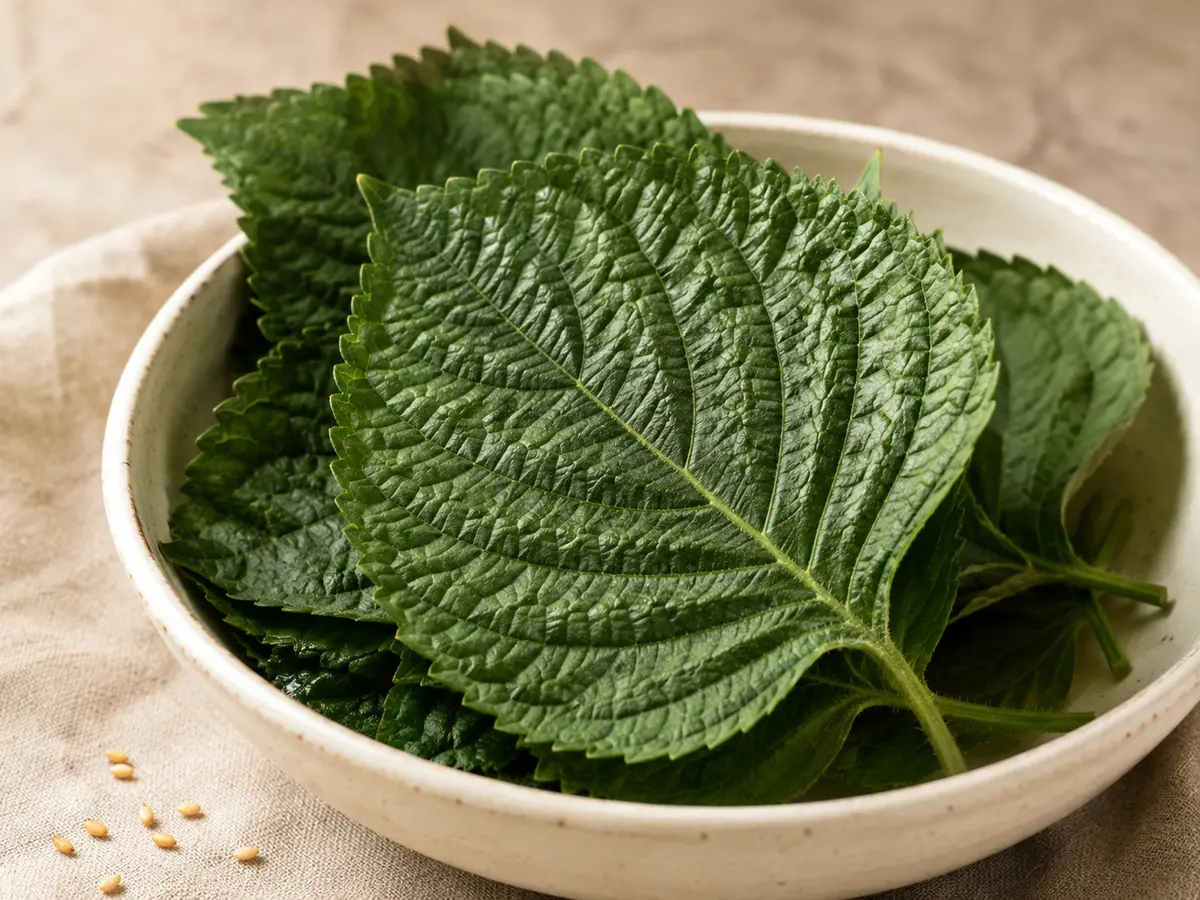
A missing vegetable can bring a Korean recipe to a halt—unless you choose substitutes by culinary function. A wrap needs a broad flexible leaf; a stew may need sweetness and structure; a pancake may need a particular aroma. Decide what the ingredient contributes before shopping for a replacement.
Ten useful substitutions
| KOREAN VEGETABLE | TRY INSTEAD | GOOD FOR | ADJUSTMENT |
|---|---|---|---|
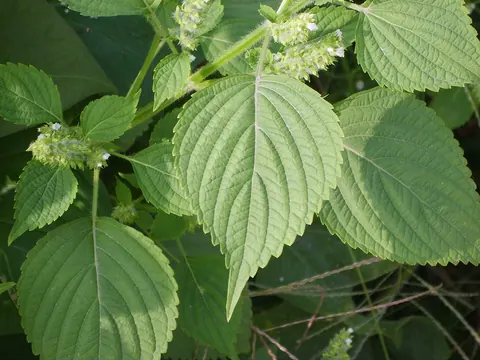 Perilla leaf | Shiso; basil + mint | Wraps, salads, pancakes | Use basil and mint about 3:1, sparingly |
 Minari | Watercress; celery leaves + parsley | Salads, hot pots, fish | Slice celery thinly and use less |
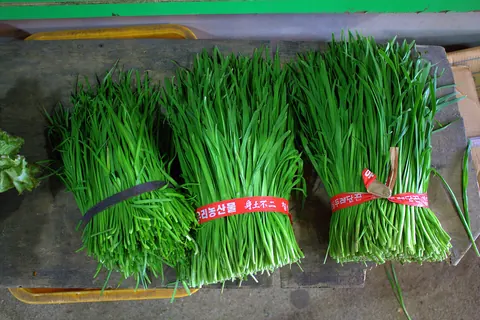 Korean chives | Garlic chives; scallions | Pancakes, kimchi salad, dumplings | Reduce scallion whites for less bite |
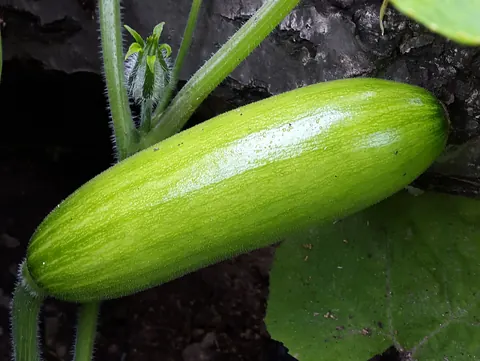 Aehobak | Zucchini; yellow squash | Stews, pancakes, sautéing | Cut watery zucchini a little thicker |
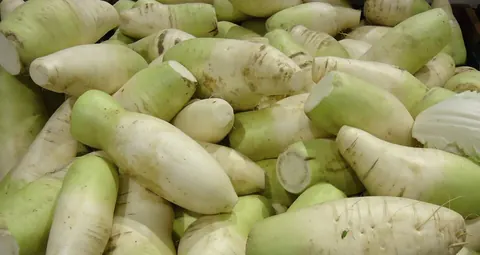 Korean radish | Daikon; turnip | Soups, braises, kkakdugi | Allow firmer turnip more cooking time |
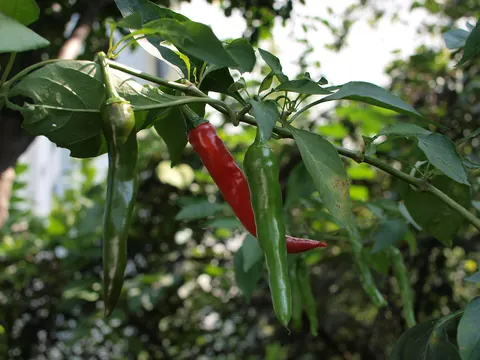 Cheongyang chile | Serrano; jalapeño | Stews, dipping sauces | Heat varies—start with a small amount |
| Mild green chile | Shishito; mild Anaheim | Raw with ssamjang, stir-fries | Taste first; some shishitos are hot |
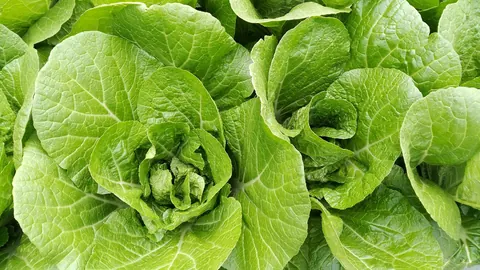 Baby napa cabbage | Napa; Savoy cabbage | Fresh kimchi, soups, wraps | Salt Savoy for less time |
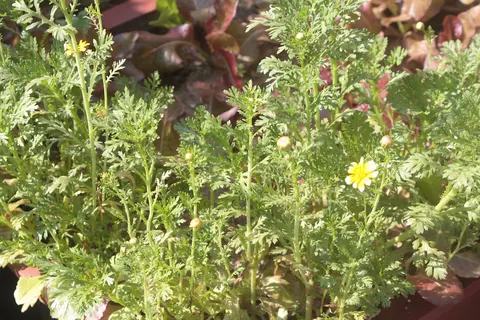 Ssukgat | Chrysanthemum greens; baby arugula | Hot pots, stews, salads | Add arugula at the very end |
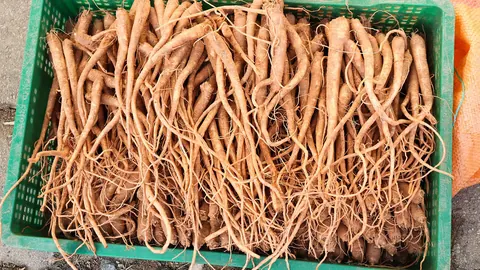 Doraji | Burdock; celeriac | Salads, sautéed dishes | A texture substitute, not a flavor match |
Three rules for choosing a substitute
1. Match texture before flavor
In radish soup, the radish sweetens the broth and keeps its shape through simmering. An aromatic look-alike that collapses quickly will not work. The longer the cooking time, the more you should prioritize firmness and water content.
2. Match aromatic intensity
Minari, ssukgat and perilla can define a dish. Start with half the quantity when the replacement herb is stronger. If it is gentler, add a small fresh portion at the end so its fragrance is not cooked away.
3. Recalculate water and salt
Watery vegetables such as zucchini release liquid quickly after salting. Salt later or blot cut pieces to keep pancakes and stir-fries from becoming soggy. When a preserved vegetable stands in for a fresh one, reduce soy sauce and salt first.
Adjust these four dishes
- Perilla jeon. Use broad shiso leaves when available. Otherwise, make thin zucchini pancakes and add only a little finely chopped basil and mint to the batter.
- Minari muchim. Trim thick watercress stems and cut into short lengths. Mix with mild baby greens if its peppery bite is too strong.
- Aehobak jjigae. Slice zucchini slightly thicker and add it later in the simmer so the pieces keep their shape.
- Cheongyang chile sauce. Taste a tiny piece of serrano, then begin with half the recipe quantity. Heat can vary from one chile to the next.
A substitution is not merely a second-best imitation. It is a way to carry the logic of a dish into the seasons and markets where you live. Record what you changed, and your own reliable recipe will emerge quickly.